This article may contain affiliate links. If you buy through them, Stronger With Time may earn a small commission at no extra cost to you. Learn more.
Proper nutrition plays a crucial role in athletic performance and recovery. Among the various nutrients, protein stands out due to its essential role in muscle repair and growth. An area of interest within the domain of protein intake is protein timing, specifically, when one should consume protein relative to exercise to optimize recovery. In this article, I will explore the mechanisms behind protein timing, review the current evidence, and share insights from my own experiences in training and coaching.
The Role of Protein in Recovery
Protein serves as a fundamental building block for muscle tissue. It is made up of amino acids, which are necessary for repairing muscle fibers that undergo strain during exercise. When we engage in strength training or endurance activities, microtears occur in muscle fibers. This damage is a normal part of the adaptation process, leading to muscle growth and improved performance over time. The body repairs this damage through a process known as muscle protein synthesis (MPS), where amino acids are used to rebuild and strengthen the affected muscles.
The timing of protein consumption can influence MPS. The “anabolic window,” a term often used to describe the period post-exercise when the body is particularly responsive to nutrient intake, has been a topic of considerable debate. This window is generally thought to last from about 30 minutes to 2 hours after exercise, though some research suggests it may extend beyond this timeframe. The precise length of this window can vary based on factors like workout intensity, the individual’s nutritional status, and overall diet.
Mechanisms Behind Protein Timing
To understand how protein timing impacts recovery, it is essential to consider a few key physiological mechanisms:
- Muscle Protein Synthesis (MPS): As mentioned, MPS is crucial for muscle recovery. Consuming protein after exercise stimulates MPS, helping repair muscle fibers and facilitating muscle growth. This process can be amplified when protein is ingested alongside carbohydrates, which help replenish glycogen stores and also stimulate insulin release, further promoting MPS.
- Muscle Protein Breakdown (MPB): Exercise not only increases MPS but also elevates MPB. The ratio between MPS and MPB determines overall protein balance in the body. By consuming protein after a workout, we can tilt this balance in favor of MPS, aiding in recovery and muscle adaptation.
- Hormonal Responses: Exercise triggers various hormonal responses, including increases in insulin and growth hormone, which play vital roles in recovery. Consuming protein soon after exercise may optimize these hormonal responses and enhance recovery processes.
The Evidence on Protein Timing
The current literature presents a nuanced view of protein timing and its effectiveness. Meta-analyses generally find that protein intake post-exercise can promote better recovery and adaptation compared to protein intake at other times. For instance, a systematic review published in the Journal of the International Society of Sports Nutrition found that protein ingestion after exercise significantly enhances MPS rates compared to fasting or delayed intake.
However, the evidence surrounding the “anabolic window” effect is less clear than once thought. Some studies suggest that the timing of protein intake may be less critical than total daily protein consumption. For example, a study by Morton et al. (2018) noted that spreading protein intake evenly throughout the day, regardless of immediate post-exercise timing, could still effectively support recovery and muscle growth.
In my own experience as a coach, I have observed that while some athletes significantly benefit from consuming protein immediately after training, others are less concerned with stringent timing and still achieve their goals without issue. Individual variation, including training status, meal preferences, and lifestyle, can influence how effective protein timing is for recovery.
Practical Recommendations
Considering the evidence and mechanisms outlined, here are some practical recommendations regarding protein timing to optimize recovery:
- Post-Workout Protein Intake: Aim to consume 20 to 30 grams of high-quality protein within a few hours post-exercise. This amount is sufficient to promote MPS based on current research.
- Pair with Carbohydrates: Including carbohydrates along with protein can further enhance recovery by replenishing glycogen stores and stimulating insulin response. A ratio of 3:1 (carbohydrates to protein) is commonly suggested for optimal recovery post-endurance exercise.
- Regular Protein Distribution: Instead of focusing solely on post-workout intake, prioritize a balanced distribution of protein intake throughout the day. Consuming protein-rich meals or snacks every 3 to 5 hours can help support MPS continuously and maintain a positive protein balance.
- Listen to Your Body: Pay attention to how your body responds to different timing strategies. As I have seen in my coaching practice, some individuals perform better with immediate post-workout nutrition, while others may prefer a more flexible approach.
Common Misconceptions
There are several misconceptions surrounding protein timing that deserve attention:
- Immediate Post-Workout Protein is Essential: While protein intake shortly after exercise is beneficial, its importance diminishes if one has consumed adequate protein throughout the day. It is the cumulative intake that plays a more significant role in recovery.
- Plant-Based Proteins are Ineffective: Many athletes believe that plant-based proteins lack efficacy compared to animal-based sources. Although plant proteins may contain lower levels of certain essential amino acids, consuming a variety of plant-based sources can still provide adequate nutrition for recovery.
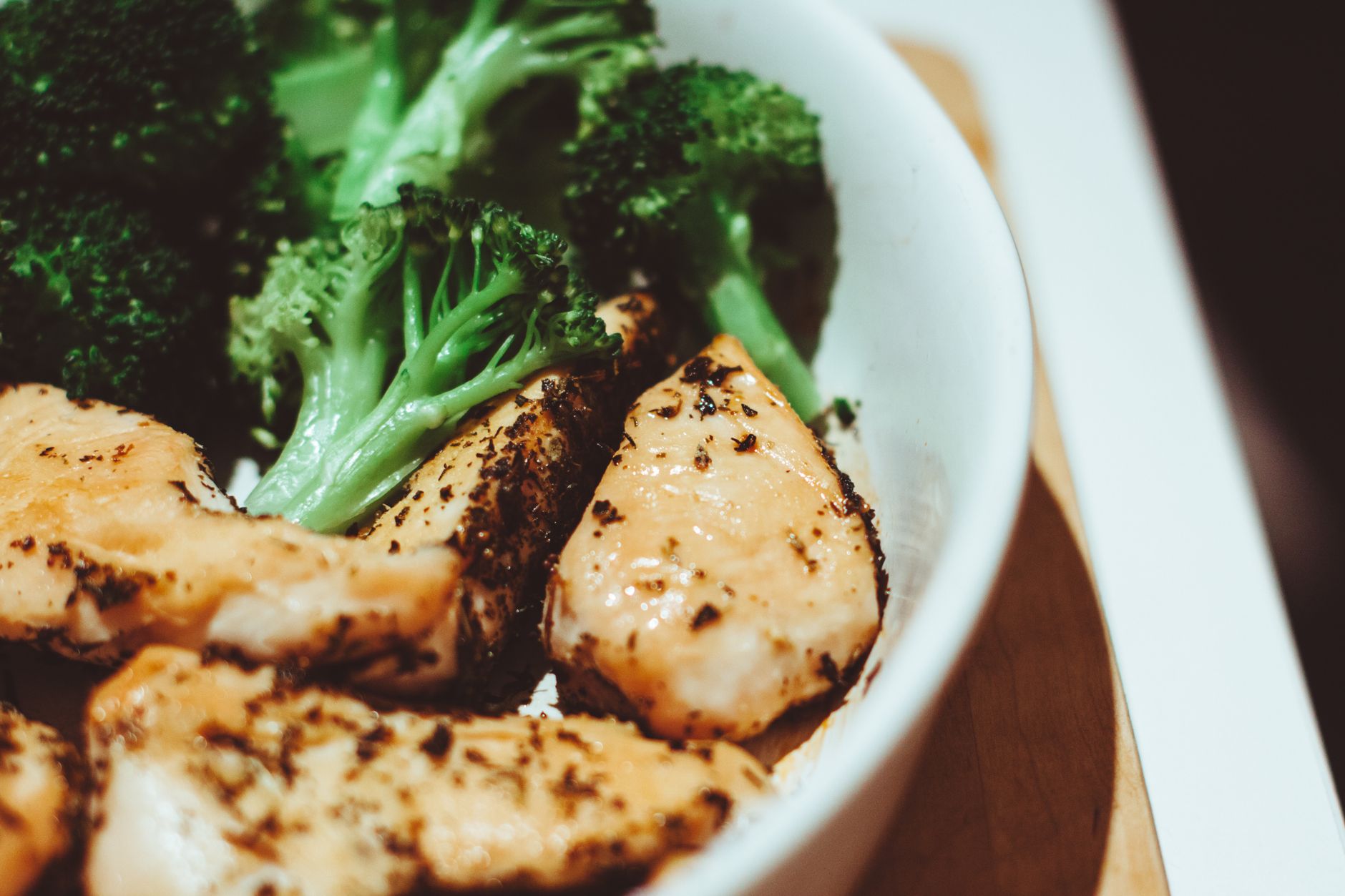
- Protein Supplements are Necessary: Whole food sources can easily meet protein requirements for most athletes. Supplements may be convenient, but they are not inherently superior to real food options.
Personal Experiences
In my training journey, I have explored various protein timing strategies. Early on, I was meticulous about consuming a protein shake immediately after every workout, convinced that it was the key to my progress. Over time, I found that while it felt good to have that post-workout ritual, my overall gains were more closely tied to my total daily protein intake and macronutrient balance.
Similarly, I have coached athletes who swore by their post-workout meals. One athlete, in particular, noticed significant recovery benefits when she shifted from a hurried protein shake to a balanced meal that included protein, healthy fats, and carbohydrates. This switch not only improved her recovery but also enhanced her performance in subsequent workouts.
Conclusion
Protein timing can indeed impact recovery, but its role is most effective when considered within the broader context of daily nutrition and individual needs. As the evidence suggests, consuming protein shortly after exercise can promote muscle repair and growth, yet total daily intake and distribution are equally important. By focusing on both the timing and quality of protein, as well as listening to your body, you can support your long-term goals in strength and fitness. Remember, this journey is about the long game, and small, consistent practices lead to significant results over time.