This article may contain affiliate links. If you buy through them, Stronger With Time may earn a small commission at no extra cost to you. Learn more.
Meal preparation is often a cornerstone of successful nutrition for fitness enthusiasts, especially for those focused on building strength and muscle. This is particularly true for lifters who are mindful of their budgets. By implementing effective meal prep strategies, lifters can ensure they meet their nutritional needs without overspending. I have spent years refining my own approach to meal prep, balancing nutrition, taste, and cost-effectiveness, and I would like to share some strategies that can make a real difference.
Understanding Nutritional Needs
To effectively plan meals, it is essential to understand your nutritional needs as a lifter. Protein intake is particularly critical for muscle repair and growth. The American College of Sports Medicine (ACSM) suggests a protein intake of 1.2 to 2.0 grams per kilogram of body weight for those engaged in strength training. This level of protein consumption helps with muscle protein synthesis, which is essential for long-term gains.
In addition to protein, lifters must also incorporate appropriate amounts of carbohydrates and fats. Carbohydrates provide the energy necessary for intense training sessions, while healthy fats support hormone production and overall health. A balanced approach ensures that you are fueling your body effectively, enabling you to perform at your best.
Planning Your Meals
The first step in effective meal prep is planning. I start each week by estimating how many meals I will need and the caloric distribution across macronutrients. A simple way to do this is to calculate your daily caloric needs using a Total Daily Energy Expenditure (TDEE) calculator and then distribute those calories across your target macronutrients.
For example, if your TDEE is 2,500 calories and you aim for a macronutrient breakdown of 30% protein, 50% carbohydrates, and 20% fats, you would target approximately 750 calories from protein, 1,250 from carbohydrates, and 500 from fats. This can guide your grocery list and meal composition.
Budget-Friendly Food Sources
When I first started lifting seriously, I quickly realized that some foods are more cost-effective than others. Here are several budget-friendly food sources that are ideal for lifters:
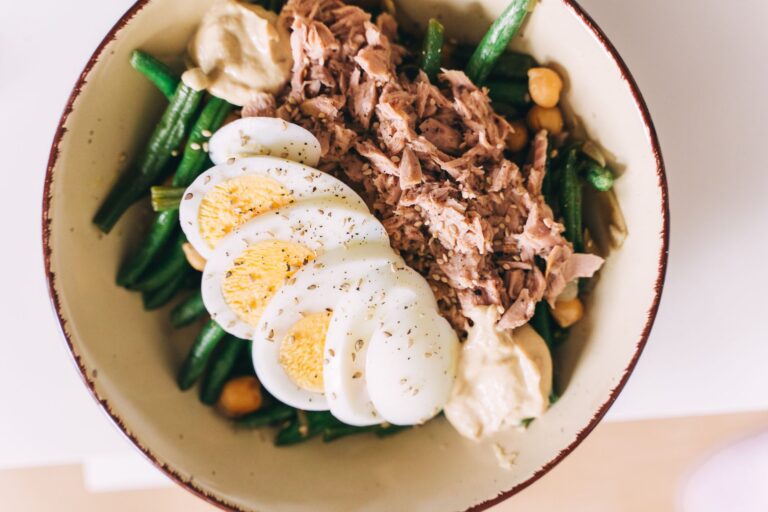
- Eggs: A rich source of protein and healthy fats, eggs are inexpensive and versatile.
- Legumes: Beans, lentils, and chickpeas are packed with protein and fiber, making them excellent choices for building meals.
- Rice and Whole Grains: Foods like brown rice and quinoa provide complex carbohydrates that are essential for sustained energy.
- Frozen Vegetables: Often cheaper than fresh produce, frozen vegetables maintain their nutritional value and can be easily incorporated into various dishes.
- Ground meats: Options like ground turkey or beef can be more affordable than whole cuts and are versatile for different recipes.
By incorporating these food sources into your meal prep, you can maintain a balanced diet while keeping costs down. I have often found that buying in bulk can result in substantial savings, particularly for staples like rice, oats, and canned goods.
Batch Cooking and Meal Assembly
One of the most effective meal prep strategies I employ is batch cooking. This involves preparing large quantities of food at once, which can then be portioned out for the week. Here are some steps to consider:
- Select a few core recipes: Choosing a few recipes that you enjoy and that meet your nutritional needs is key. I often rotate between a protein-rich chili, stir-fried vegetables with rice, and a hearty breakfast scramble.
- Cook in bulk: Allocate a few hours on the weekend to cook your chosen meals. For example, I may cook a large pot of chili and a big batch of brown rice simultaneously, which allows me to save time and energy during the week.
- Portion out meals: Once cooked, portion meals into containers. This makes it easy to grab and go, ensuring that you have nutritious meals ready when needed.
- Store food effectively: Use airtight containers to store perishable items. Labeling containers with the date can help you keep track of freshness.
This process not only saves time but also reduces the temptation to reach for less nutritious options when hunger strikes. The availability of prepared meals allows me to adhere to my dietary goals more easily.
Incorporating Variety
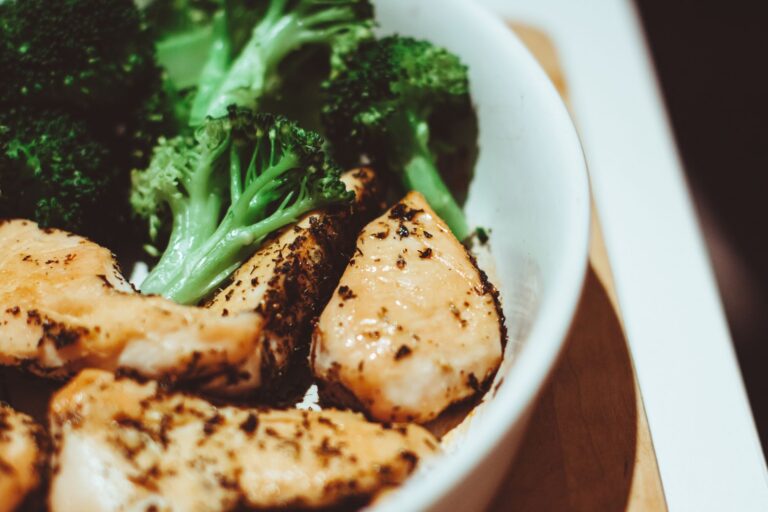
One common pitfall of meal prep is falling into a monotonous routine. To combat this, I ensure I have a variety of ingredients and seasonings on hand. This allows me to create different flavor profiles and culinary experiences from the same base ingredients. For instance, a basic chicken and rice dish can be transformed by changing the seasoning or pairing it with different vegetables.
Another strategy is to keep a rotating pantry of sauces and spice mixes. These can significantly enhance the flavor of your meals without adding significant costs or calories. Experimenting with herbs and spices not only keeps meals interesting but can also provide additional health benefits. For example, turmeric is known for its anti-inflammatory properties, and garlic can boost the immune system.
Grocery Shopping Tips
To further stretch your budget during grocery shopping, consider these practices:
- Check for sales and discounts: Many grocery stores have weekly sales that can help you save on your preferred protein sources and produce.
- Buy seasonal produce: Fruits and vegetables that are in season are typically cheaper and taste better. I often stock up on seasonal items and freeze extras for later use.
- Use a shopping list: Always go to the store with a list to avoid impulse buys. This keeps your spending focused on essentials.
- Consider generic brands: Often, store brands offer similar quality to name brands at a lower price.
These practices can make a noticeable difference in your weekly grocery bill, allowing you to invest more in nutrient-dense foods.
Staying Flexible
While planning is crucial, life can be unpredictable. It is important to stay flexible and adaptable. If you find that you have leftovers or need to change your schedule, do not hesitate to adjust your meal prep accordingly. In my experience, this can alleviate stress and prevent food waste.
Incorporating leftovers into new meals is a great way to avoid waste. For instance, leftover chili can serve as a topping for baked potatoes or be transformed into a soup with added broth and vegetables.
Monitoring Progress
Lastly, monitoring your progress is essential to ensure that your nutrition strategies are effective. Keeping a food journal or using an app to track your food intake can help you understand how your diet impacts your performance and recovery. Aim to adjust your macronutrient distribution or calorie intake based on your training goals and results.
Over time, you will likely notice patterns in how certain foods affect your energy levels, recovery times, and performance in the gym. Reflecting on these observations helps refine your meal prep strategies further.
Conclusion
Effective meal prep for lifters on a budget requires planning, creativity, and flexibility. By understanding your nutritional needs, utilizing budget-friendly ingredients, and incorporating various meal prep strategies, you can nourish your body without financial strain. Remember, the journey to getting stronger is a long-term commitment. The nutrition strategies you implement today will pay dividends down the road, supporting your strength goals and overall health. Stay patient, keep refining your approach, and you will see progress over time.